

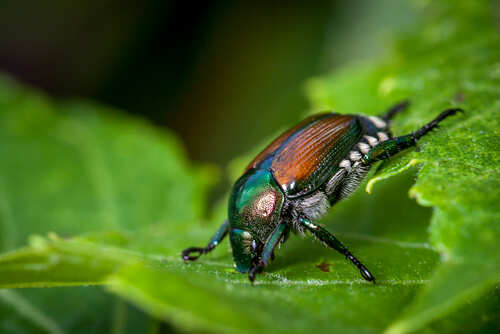
One tiny beetle stowed away on a boat in 1916, and now that beetle is on a coast-to-coast buffet across America.
At a Glance
- The Japanese beetle is an invasive species causing massive damage to crops and gardens in the US and Europe.
- Its spread is fueled by its appetite for over 300 plant species and a knack for hitchhiking on shipments and vehicles.
- Early detection can stop infestations, but established beetle populations are nearly impossible to eradicate.
- The annual economic impact runs into the hundreds of millions of dollars, sparking fierce debates over how best to counter it.
The Beetle That Came to Dinner—And Never Left
Imagine a six-legged green and copper visitor arriving unannounced, then inviting all its relatives to your neighborhood barbecue, except they’re not eating the burgers, they’re eating the backyard. That’s the Japanese beetle’s story in the US, where it was first spotted in a New Jersey nursery in 1916.
Smuggled in as a grub nestled in imported iris roots, this beetle found itself in paradise: no natural predators, plenty of food, and a climate that felt like home.
By the time anyone noticed, the beetle population had exploded, spreading through the eastern states and feasting on everything from roses to raspberries. Today, these beetles have hitched rides to 41 states and even hopped the Atlantic to Europe, where the drama is just getting started.
With their metallic sheen and voracious appetites, Japanese beetles have become the insect equivalent of an all-you-can-eat cruise ship, devouring crops, ornamentals, and wild plants while leaving a swath of skeletonized leaves in their wake.
They’re not picky: if it’s green, it’s fair game. This makes them both a gardener’s nightmare and an agricultural menace, capable of turning a vibrant landscape into a patchwork of brown and despair almost overnight.
How the Beetle Beat the System
Back in their native stomping grounds of Japan, northern China, and far-eastern Russia, Japanese beetles are just another face in the crowd, kept in check by hungry predators and a few well-placed parasites. But in the US and Europe, they hit the pest lottery. Their spread was accidental, but their adaptability is no accident at all.
Beetles and their grubs stow away in nursery stock, soil, and even in the wheel wells of planes and trucks. The horticulture trade, innocently selling plants and soil across state and national lines, became their unwitting chauffeur service.
Efforts to stop them have fueled a tug-of-war between regulators trying to prevent disaster and businesses just trying to keep the lights on. Farmers, nursery owners, and homeowners have been forced into an endless arms race, battling beetle swarms with traps, pesticides, and desperate prayers for a hungry bird or two.
Even with multi-million-dollar eradication campaigns, the beetle’s advance continues. The Idaho State Department of Agriculture pulled off a rare victory, declaring Boise beetle-free after a grueling multi-year campaign.
But for most of the country, the beetle is here to stay, and every summer brings a fresh green wave of destruction. In Europe, the plot thickens: after a 2014 debut in Italy, the beetle has appeared in Switzerland and beyond, prompting new quarantines and panicked headlines.
Collateral Damage: The Beetle’s Price Tag
In the short term, the Japanese beetle means shredded plants, increased pesticide sprays, and instant headaches for anyone who owns a garden, vineyard, or farm. Long-term, the cost is measured in hundreds of millions of dollars—lost crops, ruined landscapes, and endless management bills.
The nursery and horticulture industry faces relentless inspections and paperwork, while farmers growing grapes, corn, soybeans, or fruit trees live in fear of the next beetle blitz. Even local governments and taxpayers get stuck with the bill for monitoring and eradication. Meanwhile, the beetle’s love of variety means native plants and ecosystems take a beating too, as the invader out-eats and out-competes local species.
Socially, the beetle inspires frustration and even despair. Gardeners mourn their roses, city parks look tattered, and every new hole in a leaf is a reminder that the battle is far from won. Politically, the beetle’s rampage has ignited heated debates over trade policies, quarantine zones, and just how far we should go to stop a six-legged stowaway that refuses to leave.
Expert Playbook: Can We Outwit the Beetle?
Entomologists and pest management experts agree on one thing: the Japanese beetle’s adaptability is its superpower. With a menu of over 300 plant species and no fear of new environments, it’s the ultimate survivor. Early detection and rapid response can snuff out small infestations, but once the beetles are established, the best we can do is manage the chaos.
Integrated Pest Management—combining traps, targeted pesticides, and maybe a few natural predators—is the gold standard, but it’s a marathon, not a sprint. Calls for stricter import controls and plant quarantines clash with the economic realities of global trade, leaving everyone searching for the magic bullet that never seems to arrive.
Still, the Boise miracle proves eradication isn’t impossible—just rare, expensive, and exhausting. For most of us, the Japanese beetle is a summer visitor we didn’t invite, but it’s not leaving anytime soon. The best defense? Stay vigilant, plant wisely, and maybe, just maybe, root for a few more birds in your neighborhood.