

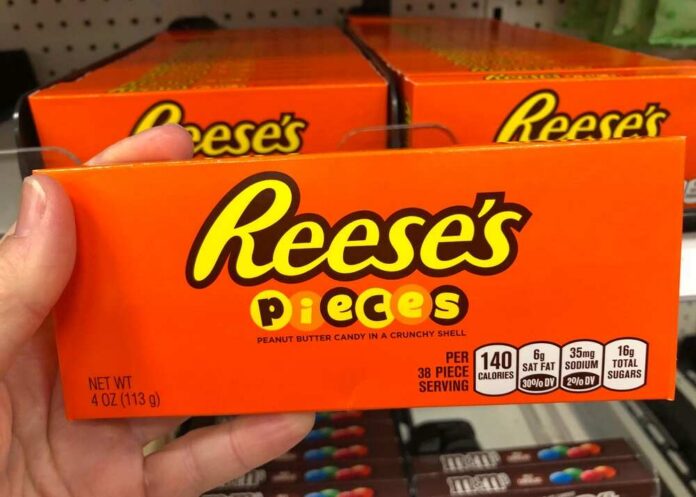
The grandson of the inventor of Reese’s Peanut Butter Cups is accusing Hershey of betraying an American legacy by swapping real chocolate and peanut butter for cheap imitations in a cost-cutting scheme that spits in the face of quality and consumer trust.
Story Snapshot
- Brad Reese, grandson of H.B. Reese, publicly accuses Hershey of replacing milk chocolate and peanut butter with compound coatings and crème in multiple Reese’s products
- Hershey admits to formula adjustments after the 2024 cocoa price surge, but claimsits flagship Peanut Butter Cups remain unchanged, and consumer testing showed no impact
- Brad Reese discarded Reese’s Mini Hearts as inedible, citing “chocolate candy” and “peanut butter crème” labels that exploit FDA loopholes to avoid real chocolate standards
- The public dispute pits family legacy and quality integrity against corporate profit margins, with consumers increasingly complainingthat products don’t taste as good
Family Legacy Confronts Corporate Greed
Brad Reese posted an open letter on LinkedIn to Hershey’s corporate brand manager, igniting a national conversation about corporate integrity.
His grandfather, H.B. Reese, invented Reese’s Peanut Butter Cups in 1928, using genuine milk chocolate and peanut butter after working two years at Hershey and founding his own company in 1919. The Reese family sold the company to Hershey in 1963, trusting the chocolate giant to honor that quality commitment.
Brad Reese argues Hershey has systematically dismantled that legacy by substituting premium ingredients with cheaper alternatives across various Reese’s products, calling the changes “total bunk” and “devastating” to the brand’s identity built on real ingredients and real integrity.
Grandson of the inventor of Reese's Peanut Butter Cups accuses Hershey of cutting corners | Click on the image to read the full story https://t.co/8kVZMyTKNW
— WTAE-TV Pittsburgh (@WTAE) February 19, 2026
Cocoa Crisis Becomes Excuse for Corner-Cutting
Hershey points to unprecedented cocoa price surges that peaked in late 2024 as justification for recipe modifications, raising prices in July 2025 and confirming formula changes during a 2025 investor call.
CFO Steven Voskuil defended the adjustments, claiming extensive consumer testing showed no impact on taste profiles.
However, cocoa prices have since dropped due to improved supply and weaker demand, yet the cheaper formulations remain in place. This pattern reveals a troubling corporate strategy: exploit a commodity crisis to justify cost reductions, pocket the savings when prices normalize, and hope consumers don’t notice the bait-and-switch.
It’s classic big-business dishonesty that prioritizes quarterly earnings over the trust families like the Reeses built over generations.
FDA Loopholes Enable Deceptive Labeling Practices
Hershey exploits FDA regulatory gaps to sidestep milk chocolate standards requiring at least 10 percent chocolate liquor, 12 percent milk solids, and 3.39 percent milk fat by relabeling products as “chocolate candy” instead of “milk chocolate.”
Brad Reese discovered Reese’s Mini Hearts labeled with “chocolate candy” and “peanut butter crème” rather than the authentic ingredients his grandfather used, prompting him to discard the Valentine’s product as inedible.
Similar changes allegedly affected Reese’s Take5, Fast Break, White Reese’s, and international versions sold in the UK, Ireland, and Europe, all with a “milk chocolate-flavored coating.”
This deceptive labeling allows Hershey to market products under the trusted Reese’s name while delivering inferior substitutes, a practice that erodes consumer protection and rewards corporate dishonesty.
Consumer Trust Faces Long-Term Erosion
Brad Reese reports hearing widespread complaints that Reese’s products “don’t taste as good,” validating concerns that Hershey’s cost-cutting measures are eroding the brand loyalty built over nearly a century.
The company insists its flagship Peanut Butter Cups remain unchanged, roasting fresh peanuts and using milk chocolate, but acknowledges adjustments for “new shapes, sizes, and innovations” without specifying which products.
This vague admission, combined with concrete examples such as Mini Hearts and international versions, suggests broader changes than Hershey publicly admits.
The controversy highlights a fundamental conflict between corporate profit motives and the quality standards that built American manufacturing excellence.
Milton Hershey himself believed quality was the best advertising. Yet, his company now prioritizes margins over the values he championed, setting a troubling precedent for the confectionery industry’s response to commodity volatility.
The dispute remains unresolved with no legal action reported. Still, Brad Reese’s willingness to publicly challenge Hershey using his family name signals this battle over American manufacturing integrity is far from over.
Consumers deserve transparency about what they’re buying, not clever label tricks that hide inferior ingredients behind a heritage brand. If Hershey truly respects H.B.
Reese’s legacy and the trust millions of families place in that orange wrapper, the company should immediately restore authentic ingredients now that cocoa prices have normalized, proving this was truly about supply challenges rather than permanent profit padding at consumer expense.
Sources:
Fox Business – Grandson of Reese’s inventor blasts Hershey for alleged recipe changes