The Supreme Court said, in plain words, that a baby born here is an American—no asterisk, no executive shortcut, no second-guessing that core promise.
Story Snapshot
- The Court ruled 6–3 that birthright citizenship covers children of parents here unlawfully or temporarily.
- Chief Justice John Roberts reaffirmed the 1898 Wong Kim Ark precedent as controlling law.
- Justice Brett Kavanaugh agreed the order broke federal law but raised a statutory path for Congress.
- Dissenters focused on “subject to the jurisdiction” to push a narrower reading.
What the Court Actually Decided
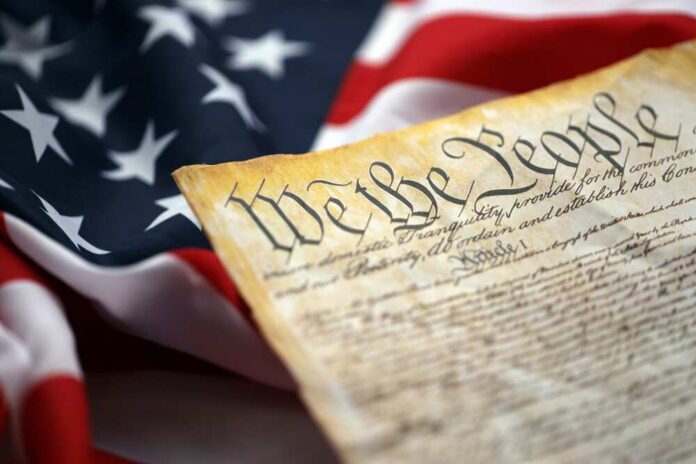
The Court held that the Fourteenth Amendment’s Citizenship Clause covers nearly everyone born on American soil, including children of parents who are unlawfully or temporarily present. Chief Justice John Roberts wrote that these children are “born in the United States,” “subject to the jurisdiction thereof,” and thus “citizens at birth.” The majority relied on United States v. Wong Kim Ark, which set the rule more than a century ago. The ruling blocks executive attempts to redraw that line by order alone.
Supreme Court strikes down Trump’s order ending birthright citizenshiphttps://t.co/omH1RXPByk
— SCOTUSblog (@SCOTUSblog) June 30, 2026
Justice Brett Kavanaugh joined the judgment but not all the reasoning. He argued the executive order collided with federal citizenship statutes, yet he did not read the Constitution as clearly settling every edge case. He suggested Congress, not the president, would have to change any rule about who is a citizen at birth. That view does not undercut the holding, but it puts a spotlight on the statute book and any future bills.
Wong Kim Ark Was Not a Footnote
United States v. Wong Kim Ark anchors the modern rule. In 1898, the Court said a person born in the United States is a citizen, with narrow limits for children of diplomats, foreign enemies in occupation, and certain tribal contexts then in place. The current Court leaned on that foundation instead of building a new test. That matters. It tells lower courts, agencies, and hospitals that the rule is settled, and it warns any executive branch not to gamble with core constitutional text.
The government’s argument leaned on the phrase “subject to the jurisdiction thereof.” The dissenters read it to exclude children of foreign citizens who lack legal status. But the majority read “jurisdiction” as civil and criminal authority that reaches all who are here, except the narrow historic carve-outs. That reading matches long practice, passport rules, and basic sense about the reach of American law over people inside our borders.
What This Means for the Border, Hospitals, and Paperwork
Hospitals and state vital records offices now have a single, firm rule: birth on American soil yields citizenship, absent the classic exceptions. Agencies that issue passports and Social Security numbers must follow the Court’s reading, not any executive memo. Local officials avoid patchwork rules that would have split newborns into new legal classes based on parents’ status. That uniformity guards equal treatment and cuts red tape that would have swamped county offices and families alike.
For conservatives who prize the rule of law, the case draws a clean line. The Constitution sets the citizenship rule. Congress writes statutes. The president enforces the law. If lawmakers want a change, they must debate it in public, pass a bill, and face voters. That is the constitutional order. The Court did not greenlight open borders. It told the executive branch to stop trying to amend the Fourteenth Amendment by pen stroke and to honor settled precedent.
The Narrow Path Kavanaugh Flagged for Congress
Justice Kavanaugh’s separate writing will tempt activists to claim the door swung open. It did not. It points to the ordinary path: legislation. Any bill would still run into Wong Kim Ark, the text of the Fourteenth Amendment, and deep historical records that favor birthright citizenship. That is a high hill to climb. But the opinion reminds both parties that immigration fights belong in committee rooms, not in rushed executive orders that collapse in court.
Politics Will Rage, But Paper Rules Will Hold
Media takes will chase winners and losers. The legal reality is calmer. The Court locked in a rule that parents’ status does not decide a child’s American identity. It reaffirmed a case that has guided the nation since the Spanish-American War. It flagged Congress as the proper forum for any rethink. That clarity steadies the system in a heated season and shuts down a risky experiment that would have produced chaos at the hospital counter and at the border.
Sources:
en.wikipedia.org, facebook.com, aclumaine.org