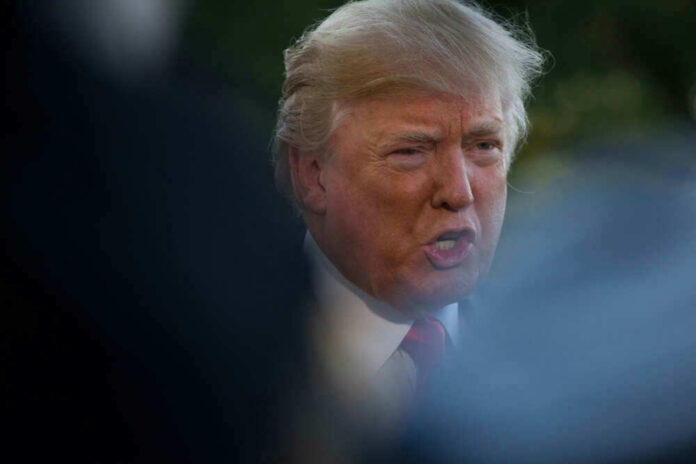
President Trump has issued a sweeping federal moratorium on all new offshore wind energy projects, abruptly reversing years of left-wing green energy expansion and signaling a major victory for Americans frustrated by “woke” climate agendas.
Story Highlights
- President Trump halted new federal offshore wind projects, imposing a blanket leasing moratorium and overhauling permitting rules.
- New regulations now make it significantly more challenging for wind projects to qualify for renewable energy tax credits, affecting projects in the planning and early construction phases.
- The move is framed as a protection of energy reliability, marine life, and consumer costs, but critics warn of job losses and stifled investment.
- This marks a decisive break from Biden-era green energy policies and reasserts executive power over federal lands and waters.
Trump’s Offshore Wind Moratorium: A Dramatic Policy Reversal
On January 20, 2025, President Trump issued a formal memorandum withdrawing all areas of the Outer Continental Shelf from wind energy leasing. This action is not a measured review or incremental change—it is a total federal moratorium on new offshore wind projects. The directive takes immediate effect, halting the Biden administration’s green energy push and signaling a new era of energy policy centered on reliability, national security, and economic common sense. The moratorium was followed by a full-scale review of federal wind project permitting and leasing practices, dramatically tightening oversight and pausing all new federal offshore wind leases.
The Department of the Interior, through the Bureau of Ocean Energy Management, escalated the policy shift on July 30, 2025, by rescinding all previously designated wind energy areas on the Outer Continental Shelf. This unprecedented step wiped out the federal government’s prior commitments to offshore wind development, instantly putting billions in planned investments and thousands of jobs in limbo. The abrupt reversal left renewable energy developers and coastal communities reeling, while supporters praised the administration for putting American energy interests and coastal livelihoods first.
Regulatory Overhaul: Stricter Tax Credit Rules Disrupt Green Energy Pipeline
On August 15, 2025, the administration finalized new rules that significantly raise the bar for wind projects seeking federal renewable energy tax credits. Projects must now demonstrate substantial on-site physical work before July 2026 to qualify, a sharp departure from previous, more flexible standards. This change directly affects projects in advanced planning or early construction, making it far more difficult for new developments to secure critical financial support. Industry experts warn that these regulatory hurdles could “weaponize” federal policy against renewables, freezing out new entrants and undermining job creation in the sector.
While the Trump administration frames these changes as essential for protecting energy reliability, marine ecosystems, and consumer prices, critics—including some Republicans from wind-heavy states—argue that the abrupt rule changes after bipartisan legislative compromise amount to a “double-cross” of the clean energy sector. The regulatory overhaul is not only a break from previous support but a clear signal to global investors that the U.S. is shifting away from subsidized green energy experiments and toward policies that prioritize American interests and stable energy supply.
Stakeholders Respond: Winners, Losers, and the Battle Over Energy Policy
The primary beneficiaries of the moratorium include the fishing industry and coastal communities concerned about the impact of offshore wind farms on marine life and local economies. Meanwhile, renewable energy developers, supply chain companies, and construction workers face job losses and immense uncertainty. Industry analysts project that the halt could cost the U.S. billions in lost investment and set back climate and energy transition goals by years. Politically, the move has deepened divisions within the Republican Party, with some representatives from wind-producing states voicing alarm while others support the administration’s focus on energy security and limited government intervention.
Environmental and labor groups are mounting fierce opposition, warning of missed economic opportunities and a chilling effect on innovation. The executive branch’s sweeping authority over federal lands and waters means Congress has limited power to reverse these actions, though legal challenges and state-level workarounds are possible. The administration’s stance, however, is unwavering: the federal government will not bankroll or permit projects that threaten energy reliability, disrupt marine life, or saddle taxpayers with costly failed experiments.
Implications: A Defining Moment for American Energy Independence
The Trump administration’s actions represent a defining moment in the debate over American energy independence and the role of government in picking winners and losers. By drawing a hard line against new federal offshore wind projects and rolling back green energy subsidies, the White House has delivered on campaign promises to restore common sense to energy policy. Critics warn of economic fallout and environmental setbacks, but supporters see a long-overdue correction to years of unchecked spending, regulatory overreach, and ideological climate crusades that ignored constitutional principles and the needs of working Americans.
Trump: 'We Don't Allow Windmills'President Donald Trump declared at a Cabinet meeting that the federal government is halting windmill energy projects, citing their unattractiveness, inefficiency, and environmental harm, including bird deaths and property value reduction. He…
— 🔥BREAKING NEWS INVESTIGATIVE JOURNALISM 🔥TRUMP (@TalkAboutNews__) August 27, 2025
As legal battles loom and states weigh their own initiatives, one thing is clear: the era of federally mandated offshore wind expansion is over. The administration’s decisive action has shifted the national conversation back to core American values—energy independence, fiscal responsibility, and constitutional limits on executive power. For many who have been frustrated by past policies, this represents a long-awaited victory for common sense and conservative priorities in Washington.
Sources:
Trump’s War on Wind Goes Way Beyond Tax Credits
The Trump Administration Is Blocking Wind Power Projects That Would Create Thousands of Jobs
Interior Launches Overhaul of Offshore Wind Rules to Prioritize American Energy Security