

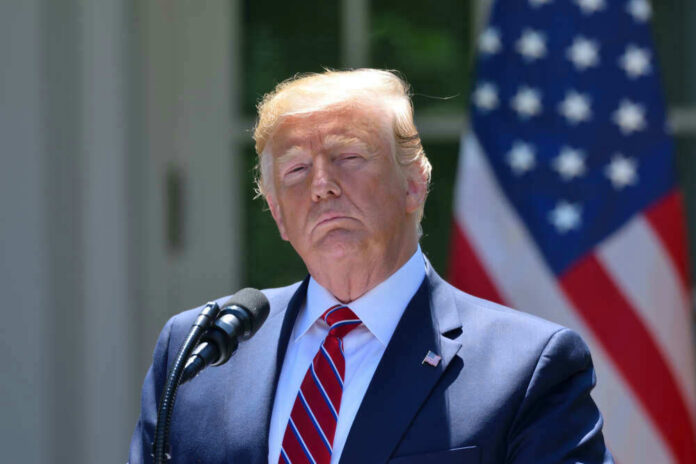
A sweeping law enforcement surge ordered by President Donald Trump is shaking up Washington, D.C., as federal officers flood the streets after a brutal assault and years of rising crime left residents demanding answers.
Story Snapshot
- President Trump deploys multi-agency federal task force to D.C. after high-profile violent crime incident.
- Operation responds to years of public frustration with violent crime, weak local enforcement, and federal overreach debates.
- Crime rates in D.C. are finally falling in 2025, but public fear and political tension remain high.
- The move fulfills Trump’s campaign promise to restore law and order, but raises questions about D.C. autonomy and civil liberties.
Trump’s Federal Intervention Targets Violent Crime Surge in D.C.
President Trump’s administration wasted no time responding to a violent assault on a former DOGE worker, unleashing a surge of federal law enforcement across Washington, D.C.
With an executive order signed in March, Trump created the “Making DC Safe and Beautiful Task Force,” uniting agencies like Homeland Security Investigations, FBI, and DEA to hit high-risk city areas.
The deployment puts federal officers on the ground for a minimum of seven days, with the White House promising no safe haven for violent criminals.
Trump’s move comes after years of rising crime and mounting public outrage over what many see as local government’s failure to protect residents and visitors.
Washington, D.C. has long struggled with violent crime, recording 274 homicides in 2023, its highest in two decades. Although 2024 saw a modest decline, political and public frustration remained elevated, fueled by high-profile crimes near tourist and government landmarks.
D.C.’s unique status as a federal district, not a state, means the federal government holds ultimate authority, but local officials, including Mayor Muriel Bowser, often try to balance public safety with concerns about federal overreach.
The assault on the ex-DOGE worker in early August reignited demands for action, making Trump’s federal response both a symbolic and practical shift from the perceived inaction of prior administrations.
Public Safety Gains Amid Political Showdown
Early reports indicate the operation is already making an impact. Statistics show a 26% decrease in violent crime and a 12% drop in homicides in D.C. since the start of 2025, improvements confirmed by the D.C. Metropolitan Police Department and independent analysts.
However, the Trump administration is not just focused on numbers; the task force is also reviewing federal prosecutorial policies and pressing for maximum enforcement of immigration laws in the capital.
This dual focus resonates with conservative calls for stronger borders and accountability, especially after years of what many saw as leftist policies that enabled crime and illegal immigration to flourish unchecked.
The White House has made clear that the operation’s mandate includes targeting sanctuary policies and cracking down on jurisdictions that hinder federal immigration enforcement.
This aggressive approach is part of Trump’s broader strategy to fulfill campaign promises and restore safety to America’s capital—a message that has galvanized many frustrated by what they view as years of soft-on-crime, globalist, and “woke” policies.
Still, this move is not without controversy. Local leaders and activists warn of potential overreach and civil liberties concerns, while legal experts debate the long-term implications for D.C.’s push for autonomy and statehood.
National Implications and Conservative Concerns
Trump’s direct intervention in D.C. law enforcement sets a precedent that could reshape federal-local relations across the country. For many conservatives, this is a long-overdue correction to a system that allowed crime and disorder to fester under previous leadership.
The administration’s willingness to consider federalizing D.C. if local efforts fall short signals a no-nonsense approach to restoring order and protecting constitutional rights, including the safety and security of law-abiding citizens.
At the same time, critics argue that such federal involvement risks undermining local governance and could trigger backlash from community advocates worried about civil liberties and over-policing.
President Trump increases federal law enforcement presence in DC following violent crime surge https://t.co/Q91MzMmeJV #FoxNews
— Jeff Rhodes (@RMJVR62) August 8, 2025
Experts caution that while increased enforcement may bring short-term relief, it does not address root causes like poverty, education, or systemic injustice.
Yet, for many in Trump’s base, the priority is clear: securing streets, defending families, and rejecting any agenda that erodes American values or constitutional protections.
The current deployment in D.C. offers a real-time test of whether decisive federal action can finally restore safety and pride to the nation’s capital, or whether deeper reforms will be needed to ensure lasting peace and prosperity.
Sources:
Murdered Congressional Intern’s Mom: Trump in Washington DC
Dangerous Areas in Washington DC
Why DC Remains One of the Nation’s Most Dangerous Cities
Crime Trends in U.S. Cities: Mid-Year 2025 Update