President Donald Trump authorized a second military strike against Venezuelan drug traffickers, demonstrating his administration’s decisive action to protect American communities from narcoterrorist threats.
See the videos below.
Story Highlights
- Trump ordered a second kinetic strike on a Venezuelan vessel, killing three alleged narcoterrorists.
- Military operation follows September 1 strike that eliminated 11 Tren de Aragua gang members.
- F-35 fighters deployed to Puerto Rico as part of escalated Caribbean security operations.
- Venezuela responds with military buildup while denying U.S. claims of drug trafficking.
Trump Takes Direct Action Against Drug Cartels
President Trump announced that U.S. military forces successfully conducted a second precision strike against a Venezuelan vessel carrying confirmed narcoterrorists in international waters.
The operation resulted in three enemy combatants killed, marking a significant escalation in America’s fight against drug trafficking organizations that have plagued our communities.
Unlike previous administrations that relied solely on diplomatic measures, Trump’s approach demonstrates the serious consequences facing those who threaten American security through narcotics trafficking.
Military Assets Deployed to Strengthen Caribbean Security
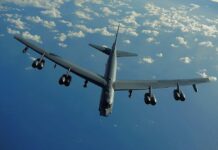
The Trump administration has positioned advanced F-35 fighter jets in Puerto Rico and maintains destroyer-class warships throughout the southern Caribbean region. These deployments represent a substantial military commitment to interdicting drug shipments before they reach American shores.
Secretary of Defense Pete Hegseth confirmed that operations will continue as long as Venezuelan criminal organizations threaten U.S. interests, signaling a long-term strategic commitment to eliminating narcoterrorist threats at their source.
Targeting the Tren de Aragua Criminal Network
The strikes specifically target members of Tren de Aragua, a notorious Venezuelan gang responsible for drug trafficking and violent crimes across Latin America and increasingly within U.S. borders.
The first strike on September 1 eliminated 11 gang members, while the recent operation killed three additional operatives.
This direct approach represents a fundamental shift from previous policies that allowed these criminal organizations to operate with impunity, threatening American families and communities with deadly narcotics.
Venezuelan President Nicolás Maduro’s government has denied the strikes occurred, calling the released video evidence fabricated, while simultaneously increasing military deployments along coastal regions.
However, local Venezuelan communities have acknowledged the deaths, contradicting their government’s official position.
The Maduro regime’s defensive responses indicate the effectiveness of Trump’s strategy in disrupting established drug trafficking networks that have operated freely under previous U.S. administrations.
Constitutional Authority and National Defense
Trump’s decisive military action falls squarely within presidential constitutional authority to defend American territory and citizens from foreign threats.
The operations target confirmed narcoterrorists in international waters, avoiding sovereignty violations while protecting American communities from deadly drug shipments.
This approach represents the kind of strong leadership conservatives demanded after years of weak responses to cartel violence that has devastated American families and communities across the nation.
Secretary of State Marco Rubio affirmed continued operations against Venezuelan drug trafficking organizations, emphasizing that America will no longer tolerate criminal networks that poison our communities.
The administration’s transparent communication about these operations demonstrates accountability to the American people, contrasting sharply with previous administrations that often conducted military operations without proper congressional or public oversight.