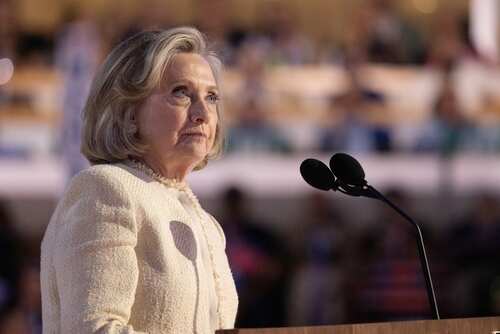
In an unprecedented showdown that could finally force answers about government cover-ups and elite privilege in the Epstein scandal, Bill and Hillary Clinton now face the real possibility of jail time if they defy sweeping congressional subpoenas.
Story Snapshot
- House Oversight Committee subpoenas Bill and Hillary Clinton, plus top former DOJ and FBI officials, over Epstein case records and connections.
- Bipartisan committee threatens contempt of Congress—referencing jail time as in prior high-profile cases—for any noncompliance.
- Public demands for transparency drive historic investigation into potential political interference and mishandling by federal agencies.
- Subpoenas require the DOJ to release Biden administration communications and protect Epstein victims’ identities.
Clintons Subpoenaed in Sweeping Epstein Probe Targeting Federal Cover-Ups
The House Oversight Committee, now under conservative leadership, has issued historic subpoenas to former President Bill Clinton and former Secretary of State Hillary Clinton.
This action compels them, along with eight top former Attorneys General and FBI Directors from both parties, to testify about their knowledge or connections to Jeffrey Epstein and the federal government’s handling of his explosive case.
The bipartisan vote signals a rare moment of unity amid ongoing distrust about how elites escape scrutiny when ordinary Americans would face consequences.
Scheduled depositions for the Clintons are set for October 9 and 14, 2025. The Department of Justice has until August 19 to turn over records, including critical communications involving the Biden administration.
The committee’s demands also include strict amendments to protect the identities of Epstein’s victims. The possibility of contempt of Congress looms large, with recent examples like Steve Bannon and Peter Navarro cited as precedent—meaning that even a former president and first lady could face jail time if they refuse to comply. The stakes are high, and failure to respond could trigger direct legal confrontations rarely seen in American history.
Bipartisan Action Amid Deep Public Distrust in Government Transparency
Calls for transparency over the Epstein case have echoed for years, fueled by the financier’s mysterious death and persistent rumors of high-level cover-ups.
Both Republicans and Democrats on the committee supported the subpoenas, reflecting public frustration across the political spectrum.
The investigation is not limited to the Clintons; it also targets former heads of the DOJ and FBI, who have faced criticism for their roles in the original prosecution and subsequent refusal to release key files.
By referencing bipartisan support, the committee is working to restore public trust in government oversight and demonstrate that no one is above the law, regardless of political power or connections.
For many Americans, the Epstein scandal has become a symbol of everything wrong with political elitism, lack of accountability, and the erosion of constitutional values.
The committee’s move directly challenges the legacy of secret deals and information suppression that have plagued the justice system—especially when it involves the wealthy and powerful.
Conservatives have long warned that government overreach and elite impunity undermine both family values and the rule of law. This investigation aims to pierce the veil that has protected high-profile figures and finally provide the answers the public demands.
Threat of Contempt and Jail Time: A Turning Point for Congressional Oversight
Chairman James Comer has underscored the seriousness of the contempt threat, pointing to recent high-profile cases where individuals were jailed for ignoring congressional subpoenas.
The committee’s willingness to pursue contempt charges—even against former presidents and cabinet members—signals a new era of accountability.
If the Clintons or other officials refuse to comply, they could be held in contempt of Congress, possibly facing fines or imprisonment.
This move would set a precedent for future oversight of federal agencies and high-profile criminal cases, sending a powerful message that the era of untouchable elites may be coming to an end.
While legal analysts stress the constitutional and legal complexities ahead, public sentiment is clear: Americans are demanding answers and real consequences for those who use their offices to shield themselves from justice.
The outcome of these subpoenas—compliance or defiance—will have profound implications for public faith in our system and for the ongoing fight to protect the rule of law against government overreach and elite privilege.