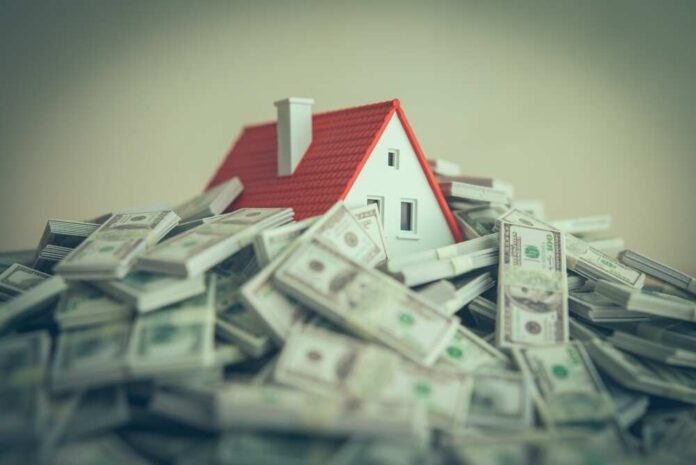
Congress is about to “save” the housing market with a bill that may help some young buyers at the margin while doing far less than the slogans suggest — and maybe raising rents in the process.
Story Snapshot
- Congress is rushing through the biggest federal housing bill in 30 years, sold as a way to stop Wall Street from outbidding families.
- The bill caps big investors at about 350 single-family homes and blocks them from buying more, but lets them keep what they own.
- Research shows large investors do nudge prices up for buyers — yet they also add rental homes and can push rents down.
- The real crunch is a shortage of homes overall; this bill targets a villain more than it fixes that deeper supply problem.
Congress moves fast when there is a villain to blame
Voters are furious about housing costs, and Congress finally found a simple story to tell: Wall Street stole your starter home. Lawmakers in both parties have rallied around the 21st Century ROAD to Housing Act, a sweeping bill that includes a ban on new single-family home purchases by “large institutional investors” once they own roughly 350 houses or more.[6]
The Senate passed its version 89–10. The House passed a related bill 396–13, and leaders have now struck a final deal.[7][1] The message is clear: homes are for families, not funds.
Congress set to limit Investors from buying homes 🚨🚨 pic.twitter.com/Jejy8UgITU
— Barchart (@Barchart) June 17, 2026
On paper, that sounds like common sense. If a giant firm can wire cash for ten houses at once, how can a young couple with a mortgage preapproval compete? President Trump leaned into that anger, signing an executive order telling federal agencies to stop helping large institutions buy homes that families could buy instead.[17]
His allies in Congress followed with legislation framed as “stopping Wall Street from competing with Main Street homebuyers.”[2] For many Americans, that hits an emotional nerve. But emotion and math do not always point in the same direction.
What the new ban actually does — and what it dodges
The core of the bill is simple: once a company crosses the “large investor” threshold, it cannot buy more single-family homes, usually defined as houses with up to two units that families live in.[5][6] The current deal settles near the Senate line of about 350 homes, not the 100-home cap Trump first floated.[1][7]
There is no forced sell-off; firms keep what they own now. The ban applies only to future purchases starting months after the law takes effect.[2][5] That design makes the policy sound tough while making sure big players do not take sudden losses.
Congress also carved out a long list of exceptions. Large investors can still build new rental communities, buy homes that need major repairs, or take title in foreclosures and loss-mitigation cases as lenders.[4][5]
Earlier Senate language that would have forced firms to sell new “build-to-rent” houses within seven years — giving renters the first shot to buy — was stripped in the House to win support from the real estate industry.[3][7] That change alone tells you who still holds real power in this debate: builders and big landlords, not the starter-home buyer in line at the bank.
Do corporate landlords really drive the housing crisis?
Here is the hard truth most politicians dodge: institutional investors are a problem in some neighborhoods, but they are not the main reason homes are so expensive nationwide. Careful work by the Mercatus Center finds that large institutional buyers have “never accounted for more than 2–5 percent of purchases in any given quarter.”[20]
A Brookings Institution analysis notes that even wiping out their single-family portfolios would likely open up at most 1–2 percent more homes for owner-occupants.[19] That is not nothing, but it is far from a silver bullet.
At the same time, there is real evidence that when big investors move into a specific market, they change the game for local buyers.
One detailed study by Joshua Coven found that in the most affected areas, institutional entry caused about 21 percent of observed house price increases and reduced the number of homes available for owner-occupancy by about 0.23 for each home they bought.[9] For a young family bidding in Atlanta or Phoenix, that is not an academic footnote — it is the difference between owning and renting.
The tradeoff no one in Washington wants to say out loud
Americans care about two things here that can clash: protecting the path to ownership and keeping housing markets free enough to build and invest. That is where this new ban gets tricky. The same Coven study that shows investors making it harder to buy also finds they expand rental supply and reduce rents in tight neighborhoods by bringing more units onto the market.[9]
The American Action Forum highlights similar results: institutional investors increased the stock of rental homes and lowered rents for those units while giving financially strained families a way into better areas.[10]
🇺🇸🏠 BIG SHIFT FOR THE U.S. HOUSING MARKET
U.S. lawmakers have reached an agreement on a bill that would limit investor purchases of residential homes, with the legislation expected to move quickly through Congress.
If passed, this could: • Increase housing availability for… pic.twitter.com/lNANGkY33m— A A crypto Lab (@AbbaA7109) June 17, 2026
Blocking these players from buying any more homes could help some buyers at the edges. But if it also slows new rental construction or scares off capital from renovation, renters — especially lower-income renters — could pay the price in higher rents over time.[19][20]
That is the uncomfortable part of this story: you can make it a bit easier for some people to buy now and still make housing less affordable overall if you keep choking supply with red tape and political theater.
If not this, then what actually helps families buy?
The deeper issue is brutally simple: America has not built enough homes. The same housing package that bans big investors also includes deregulatory steps to speed up construction, such as easier environmental review, pattern-book designs, and more support for manufactured housing.[4][1]
Those quiet provisions matter more to long-term affordability than any headline-grabbing Wall Street ban. They attack the real bottleneck — local rules and slow approvals that block new supply — instead of just punishing one class of buyers.
From a common-sense view, policy should focus on getting government out of the way of builders, enforcing fair play, and making sure families with skin in the game are not crushed by crony capital.
That argues for strong antitrust attention if a few firms corner a local market, more transparency about who owns what, and “first look” periods where families and local nonprofits get a clean shot at listed homes.[14][17] What it does not support is pretending that capping one visible villain, while leaving zoning walls and permitting delays untouched, will magically restore the American Dream.
Sources:
[1] Web – Bill limiting investors from buying homes set to speed through …
[2] Web – House passes housing affordability bill that softens institutional …
[3] Web – Rep. Miller Introduces Bill to Stop Large Investors From Crowding …
[4] Web – House approves breakthrough housing bill in a win for investors
[5] Web – Senate passes bipartisan housing bill targeting large investors and …
[6] Web – Senate Advances 21st Century ROAD to Housing Act
[7] Web – US Senate Advances Housing Legislation that Includes a Ban on …
[9] Web – The Senate voted 90-8 to advance its version of a comprehensive …
[10] Web – [PDF] The Impact of Institutional Investors on Homeownership and …
[14] Web – GAO Releases Report on Institutional Investments in Single-Family …
[17] Web – Institutional housing investors and the Great Recession
[19] Web – Where Could Trump’s Institutional Investor Ban Help the Most?
[20] Web – The ripple effects of banning institutional purchases of single-family …