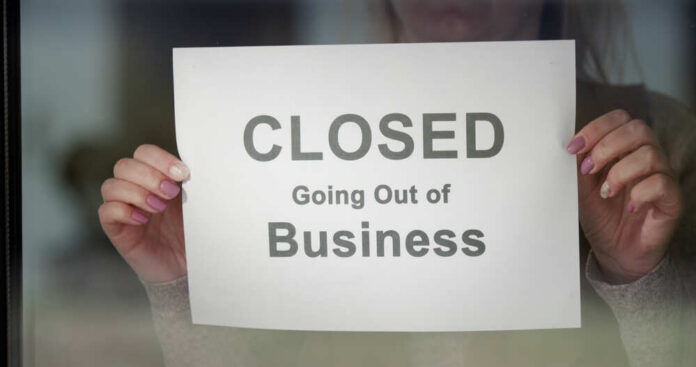
One of America’s quietest retail shakeups is about to hit 175 hometown sporting goods stores you probably drive past every week.
Story Snapshot
- Hibbett Sports will close about 175 U.S. stores over three years under new owner JD Sports.[1][2][3]
- JD Sports calls the move “fewer, bigger, better” stores and says the targets are underperformers.[1][2]
- The closures follow a billion‑dollar acquisition and a push to cut costs while boosting profit.[1][2]
- The real story is what this means for small towns, workers, and the future of brick‑and‑mortar retail.[2][3]
What JD Sports Is Really Doing With Hibbett
JD Sports bought Hibbett Sports in 2024 for about $1.1 billion, primarily to expand its North American presence.[2] Soon after, leaders made it clear they did not plan to keep every store.
On a later earnings call, Chief Executive Officer Regis Schultz said the company wants “fewer, bigger, and better” stores and will close around 170 underperforming stores in North America over three years.[1][2] Hibbett’s 175 closures fit that script.
Hibbett Sports owner plans to close 175 underperforming stores in major North American reorganization https://t.co/SYgGFpK67q
— FOX Business (@FoxBusiness) June 8, 2026
The plan hits a chain that built its business in small and mid‑sized markets across the Southeast, Southwest, and lower Midwest. Many of these towns see Hibbett as the main place to grab cleats, basketball shoes, or team gear without driving an hour to the city.
Management now calls some of those same locations “underperforming.”[2][3] That word lives in spreadsheets, not in kids’ memories of buying their first pair of Nikes.
The Cost-Cutting Logic Behind “Underperforming” Stores
JD Sports says this is straightforward math: close lower‑earning stores, focus on higher‑volume sites, and raise overall profit.[1][2] Schultz told investors the group will optimize its store footprint and profitability, and that its net store count has already fallen by 39 locations in one year as part of this strategy.[1][2]
The aim is to shift toward fewer but stronger stores while opening about 20 new JD stores and converting 70 to 80 Finish Line locations.[1]
If traffic and sales lag, rent and payroll eat profit. A view of stewardship says leaders have a duty to protect investors, many of whom are ordinary savers through pensions and retirement accounts. The missing piece is transparent detail.
Public reports repeat the “underperforming” label but do not show store‑by‑store data on sales or earnings.[1][2][3] The public is asked to take management’s word on which towns lose their store.
What Closures Mean For Local Communities And Workers
When a company closes 175 locations, the impact does not stay on Wall Street. Each store employs workers, pays local taxes, and draws shoppers to nearby businesses.
Hibbett’s footprint in small and mid‑sized markets means that many affected communities have fewer retail options to replace it quickly.[2]
Parents may now drive farther for gear. Neighboring shops may lose spillover traffic. Entry‑level jobs for teens and young adults may shrink in towns that already feel squeezed.
🏬 Overview:
A major U.S. sporting‑goods retailer — Hibbett Sports, owned by JD Sports — is set to close 175 stores across the United States as part of a multi‑year reorganization and cost‑cutting strategy.📉 Core Facts:
– Hibbett store closures — JD Sports will shut about 175…— Washington Report (@Washington_Rep) June 8, 2026
No regulator or outside reviewer has challenged JD Sports’ claim that this program will improve profit.[1][2][3] There is also no public audit showing whether some closing stores are actually healthy but less trendy on paper. That silence matters.
When only corporate leaders shape the story, closures sound like simple “optimization,” not what they often are on the ground: another sign that national chains are pulling back from smaller communities while chasing dense urban and suburban markets.
How This Fits The Bigger Retail Shakeout
This move follows a broader pattern. After big mergers, retail chains often trim locations, especially where leases are old, markets overlap, or online sales grow.[1][2][3]
JD Sports’ language about “fewer, bigger, and better” and optimizing earnings before interest and tax mirrors a standard playbook across apparel and sporting goods.
Leaders argue that stronger flagships and better digital shopping can offset the loss of smaller stores. That bet may work for city shoppers with plenty of options.
For many Americans, especially in rural counties, that bet feels different. They see a slow hollowing out: first the local hardware store, then the clothing store, now even the sporting goods chain that replaced them.
There is a fair question to ask here: at what point does “efficiency” cross into abandoning the places that built your customer base? The company’s filings will not answer that, but the next few years in 175 towns will.
Sources:
[1] Web – Hibbett Sports owner plans to close 175 underperforming stores in …
[2] Web – Hibbett Sports owner plans to close 175 underperforming stores in …
[3] Web – Hibbett Sports to Close 175 Stores in JD Sports Restructuring